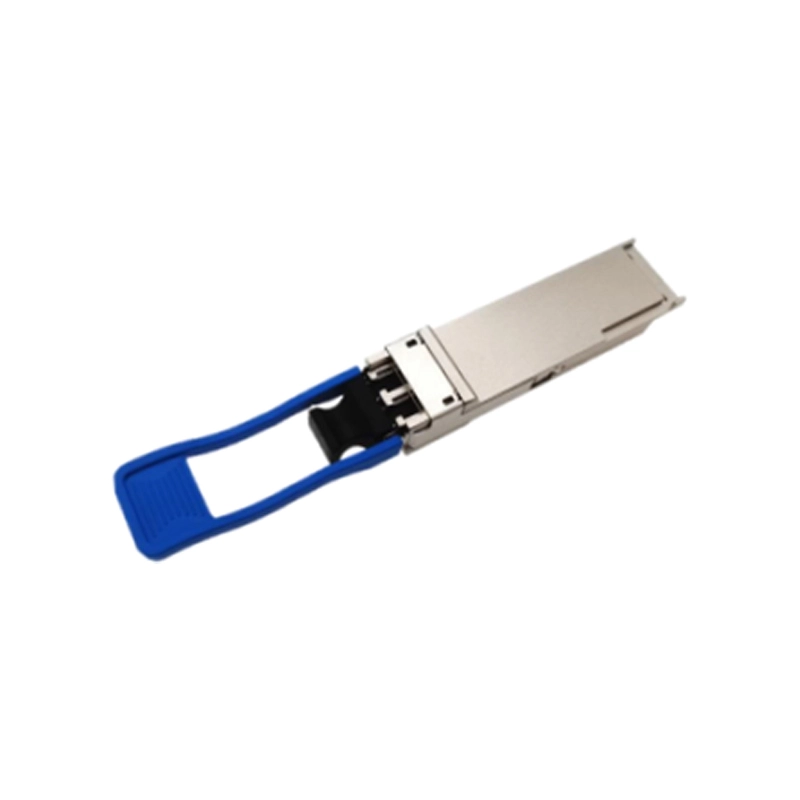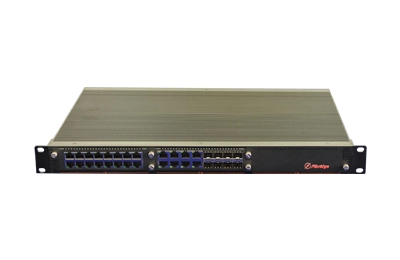
A fiber optic transceiver is a device used for transmitting optical signals in fiber optic communications. It consists of an optical transmitter (light-emitting diode or laser) and an optical receiver (photodetector), used to convert electrical signals into optical signals and vice versa.
Fiber optic transceivers, widely produced by leading fiber optic transceiver manufacturers, act as a bridge between optical and electrical signals in fiber optic communication systems, enabling high-speed, stable data transmission. They can be used in local area networks (LAN), wide area networks (WAN), data center interconnections, wireless communication base stations, sensor networks, and other high-speed data transmission scenarios.
Main components of the 200G SFP fiber optic transceiver
Optical transmitter
Responsible for converting electrical signals into optical signals and transmitting data through the fiber.
Optical receiver
Receives optical signals at the other end of the fiber and converts them back into electrical signals for the receiving equipment to process.
Optical connector
Used to connect the fiber optic transceiver to the fiber, ensuring efficient transmission of optical signals.
Control circuit
Monitors the status of the optical transmitter and receiver and makes necessary electrical signal adjustments and controls.
Advantages of Fibridge 200G SFP fiber optic transceivers
Increased bandwidth
The 200g sfp fiber optic transceivers Supports higher data rates for faster data transmission and improved network performance.
Scalability
Allows easy network expansion and upgrades without significant infrastructure changes.
Cost-effectiveness
Reduces the need for multiple low-speed transceivers, lowering overall costs.
Flexibility
Hot-swappable design facilitates installation and maintenance.
As one of the professional sfp transceiver manufacturers, Fibridge's 200G SFP fiber optic transceivers offer superior performance and efficiency. With Fibridge 200G SFP fiber optic transceivers, you can elevate your network to new heights.
Fibridge's data center Ethernet switch is a crucial device in data center networks, responsible for the high-speed, reliable transmission and switching of Ethernet data packets. These switches are...
When choosing switches, we often encounter the dilemma of whether to choose a managed or an unmanaged switch. Typically, managed switches offer more powerful functions than unmanaged switches, providi...
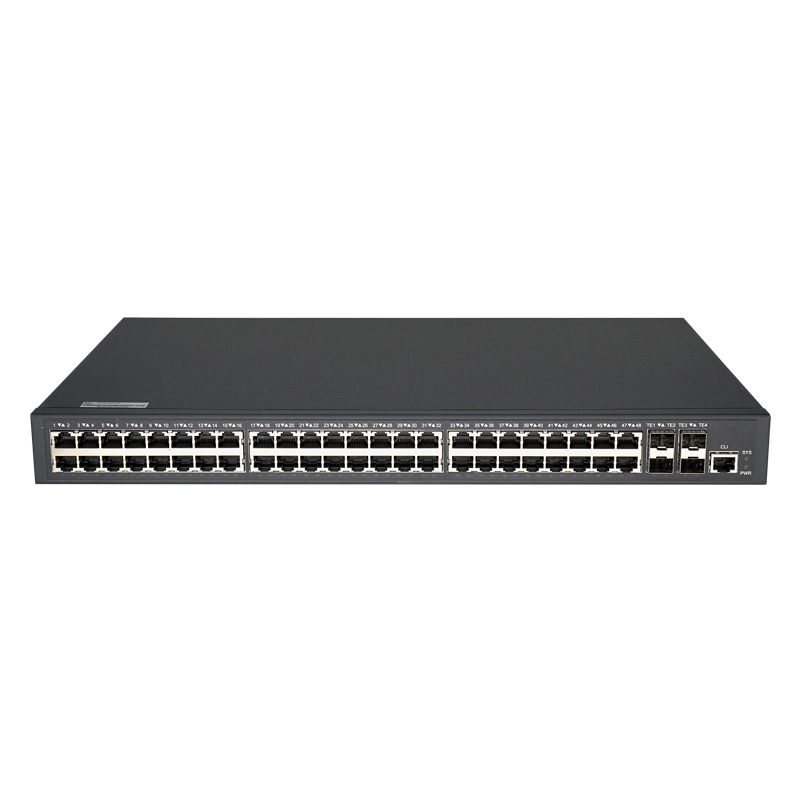
As digital transformation drives demand for more connected devices, scalable and centralized network infrastructure becomes essential. A 48-port switch offers enterprise-grade switching capacity ideal...