In today’s high-speed digital world, growing networks demand efficient traffic management between access layers and core systems. A fiber aggregation switch plays a critical role in creating scalable, high-bandwidth infrastructures—especially in enterprise campuses, data centers, and service provider networks. Here's how it works and why it's essential for future-proof connectivity.
What Is a Fiber Aggregation Switch?
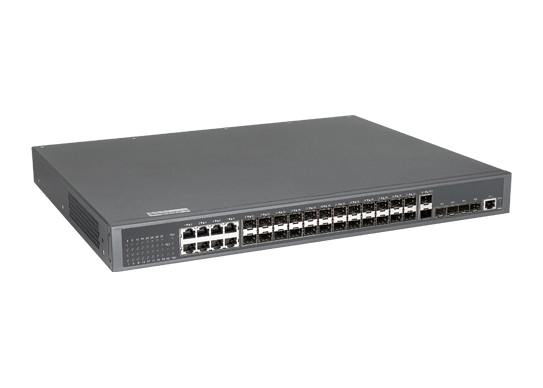
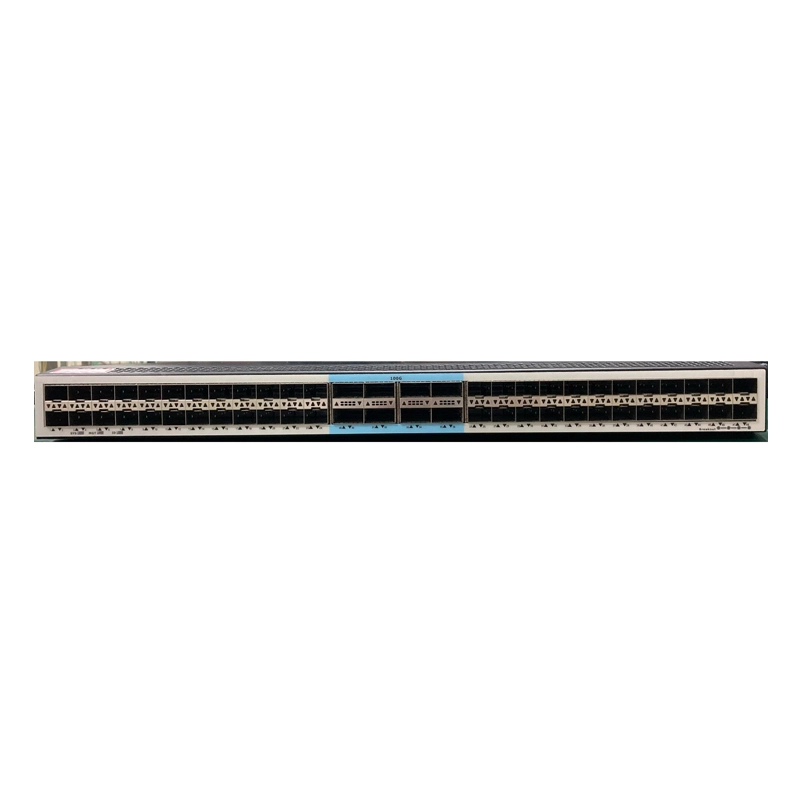
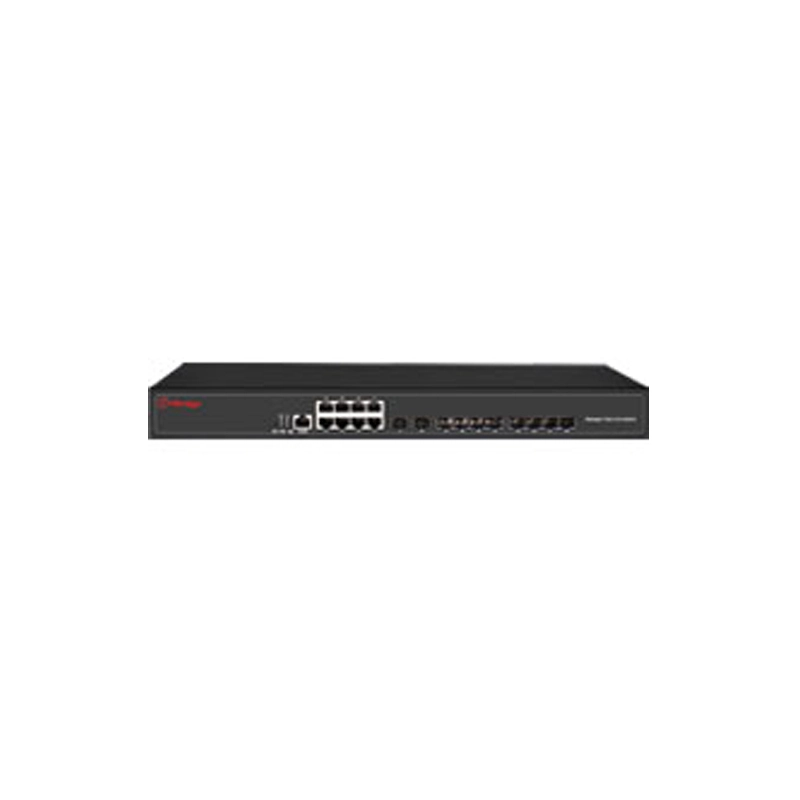
A fiber aggregation switch is a high-capacity network device designed to consolidate and manage multiple fiber connections from access layer switches into fewer, faster uplinks toward the core network. Often equipped with multiple 10G, 25G, or 40G SFP/SFP+ ports, it efficiently routes data while minimizing latency and packet loss.
These switches are optimized for long-distance, high-throughput optical transmission and are built to handle large-scale traffic aggregation in fiber-rich environments such as data centers, ISP networks, or smart campuses.
What Does an Aggregation Switch Do?
An aggregation switch by network switch manufacturer,acts as a middle layer between access switches and core routers. Its main functions include:
Consolidating uplinks from multiple edge/access switches
Filtering and directing traffic to reduce core network load
Enabling VLAN segmentation, routing, and policy enforcement
Enhancing bandwidth management with link aggregation and QoS features
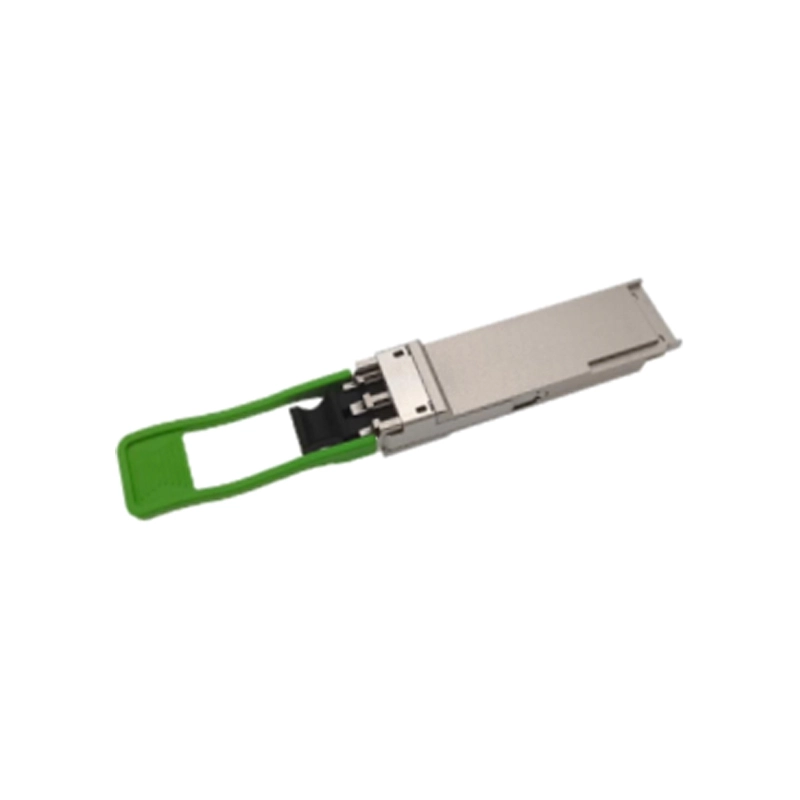
In fiber-based networks, aggregation switches also handle high-density SFP+ or QSFP interfaces for long-range transmission and flexibility.
When Should You Use an Aggregation Switch?
You should deploy a fiber aggregation switch when:
Your network includes multiple access points, such as in campuses, IP surveillance networks, or large enterprise buildings.
You need high-speed uplinks (10G or higher) to the core layer.
You want to optimize cable management and reduce the number of core switch ports used.
Your architecture requires centralized control over traffic from multiple zones.
You're building a future-proof optical infrastructure with scalability in mind.
What Is the Difference Between Distribution Switch and Aggregation Switch?
Feature
Aggregation Switc
Distribution Switch
Focus
Traffic consolidation
Routing between layers
Deployment Layer
Between access and core
Often at Layer 3 for routing
Interface Types
Fiber-heavy (SFP+/QSFP)
Mix of copper and fiber
Scalability
Designed for high-density environments
Often less dense, more modular
Primary Use Case
Data centers, ISPs, campus aggregation
Enterprise LAN routing or VLAN control
A fiber aggregation switch is more performance-oriented for high-bandwidth optical transport, while a distribution switch might be more versatile for mixed environments.
When choosing switches, we often encounter the dilemma of whether to choose a managed or an unmanaged switch. Typically, managed switches offer more powerful functions than unmanaged switches, providi...
Core switch and access switch play different roles in computer networks, each with unique functions and characteristics. So, what are the features of core switch and access switch?Differences between ...
Under the wave of modern industrial automation and smart manufacturing, industrial Ethernet switches have become key equipment to ensure stable data transmission and improve production efficiency. Amo...