As digital transformation drives demand for more connected devices, scalable and centralized network infrastructure becomes essential. A 48-port switch offers enterprise-grade switching capacity ideal for growing networks—whether in offices, data centers, schools, or smart buildings. Let's explore how this high-density switch can future-proof your connectivity.
What Does a 48-Port Switch Do?
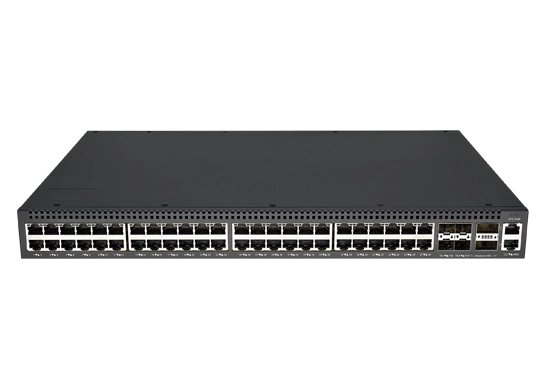
A 48 port managed switch acts as a centralized hub that connects up to 48 wired devices—such as computers, servers, printers, and IP phones—within a local area network (LAN). It manages data traffic efficiently, reducing congestion and improving bandwidth performance.
Many 48-port switches are Layer 2 or Layer 3 managed, supporting VLANs, QoS, port aggregation, and SNMP monitoring. Some also offer PoE (Power over Ethernet) to power devices like security cameras or wireless access points directly through the Ethernet cable—cutting down on power wiring needs.
Who Should Use a 48-Port Switch?
A 48-port switch is ideal for:
Medium to large offices connecting dozens of workstations and devices
Educational institutions supporting classrooms, labs, and administrative areas
Surveillance systems requiring high PoE density for cameras
Data centers managing multiple servers and high-throughput applications
Smart buildings needing centralized control for IoT sensors, access control, and lighting systems
Whether managed or unmanaged, these switches simplify network management while maintaining high performance and uptime.
Choosing the Right 48-Port Switch for Your Network
Not all 48-port switches are created equal. Here are key features to consider:
Managed vs. Unmanaged: Choose based on your network complexity and control needs.
PoE Support: Essential if you're powering endpoints like IP phones or access points.
Port Speed: Look for Gigabit or 10G uplinks for future-proofing.
Form Factor: Rack-mounted switches are ideal for data centers; fanless models are better for quiet office setups.
What Is the Difference Between 24-Port and 48-Port Switch?
The difference is more than just port count:
Scalability: A 48-port switch offers double the connection capacity of a 24-port model, making it ideal for larger or rapidly expanding networks.
Rack Efficiency: Instead of stacking two 24-port switches, a single 48-port switch saves space and simplifies cabling.
Power Budget: PoE-enabled 48-port switches typically have higher total power budgets, supporting more devices simultaneously.
Cost Consideration: While 48-port switches are more expensive upfront, they offer better long-term value and reduce hardware clutter.
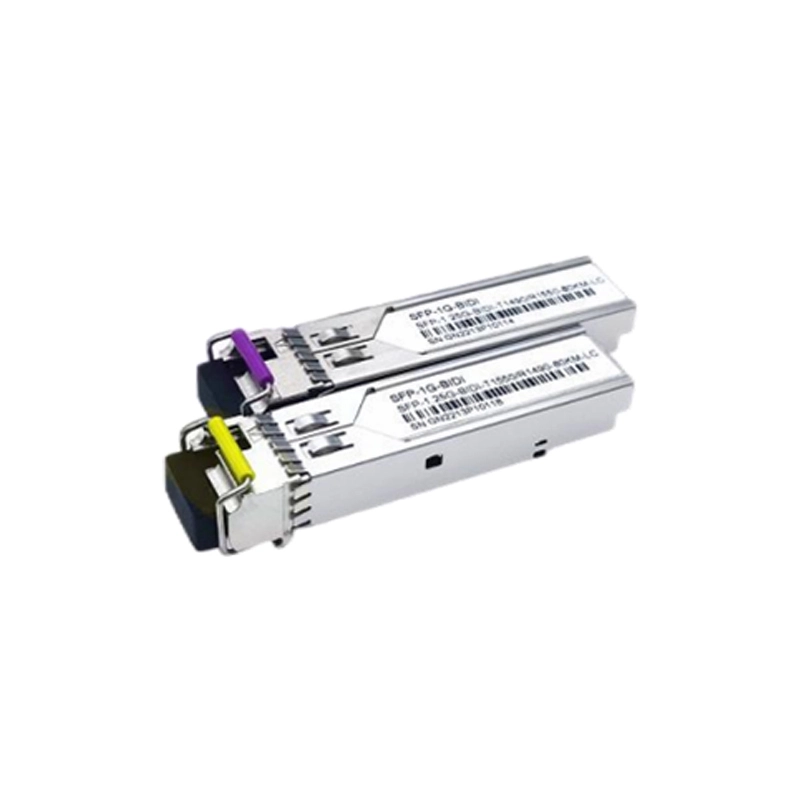
At Fibridge, we understand that modern networks demand more than just speed—they demand scalability, stability, and optical flexibility. As a trusted network switch manufacturer, our approach to the 48 port SFP switch isn't just about port density. It's about enabling high-performance fiber-based connectivity in environments where copper simply can't keep up.
From data centers and campus backbones to industrial networks, our 48 port SFP switches are designed to support massive throughput with minimal latency. Modular by nature and fully manageable, they offer seamless integration into multi-layer network architectures while supporting long-distance fiber runs and flexible transceiver options.
Tips for Using Virtual Local Area Networks (VLANs)Jipeng LV-Beijing Fibridge Co., Ltd.Virtual Local Area Network (VLAN) is a powerful network technology that allows a physical LAN to be divided into m...
The main differences between layer 2 switches and layer 3 switches lie in the OSI model layers at which they operate and their functions. They can be distinguished from the following aspects.1. Operat...
Beijing Fibridge Industrial fiber network equipments won Beijing new airport pipe gallery tender, which includes thousands of HD security monitor spots. Beijing Daxing International Airport is a super...