In today's hyper-connected digital environment, building a strong and scalable network starts at the edge. Whether you're managing hundreds of office endpoints or deploying smart infrastructure, the access switch plays a vital role in ensuring smooth, secure, and efficient communication. This article explores what access switches are, how they differ from other network layers, and why they're critical in modern enterprise IT.
What Is an Access Switch — And Why It Matters?
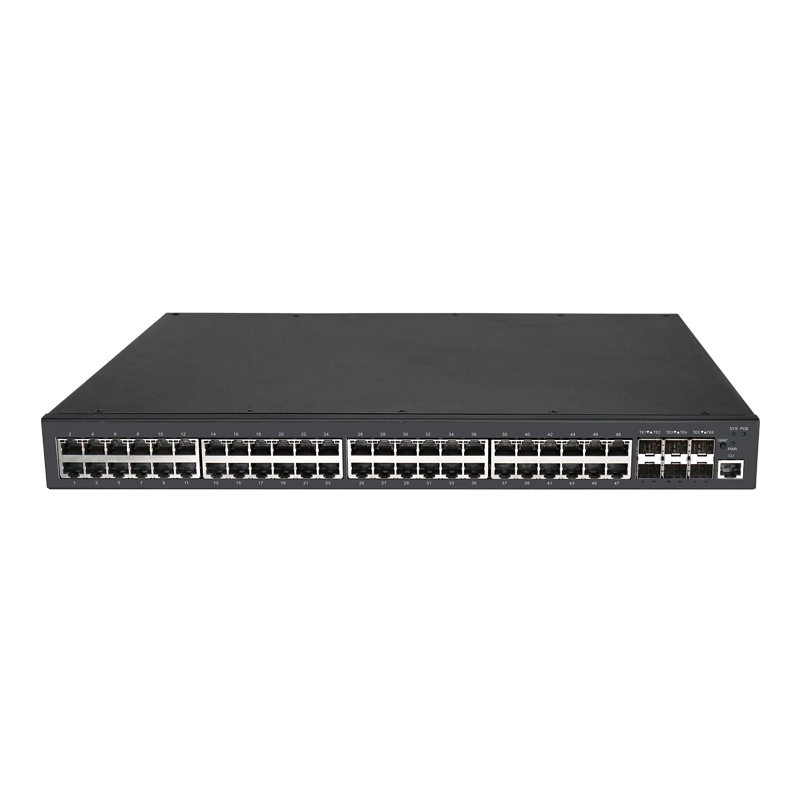
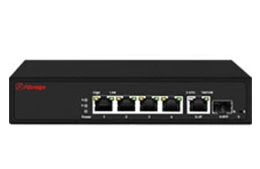
An access network switch is a network device that connects end-user equipment—such as computers, IP phones, Wi-Fi access points, and printers—to a local area network (LAN). Positioned at the network's edge, the access switch is the first point of contact for devices communicating within your infrastructure.
Its core function is to receive and forward data packets to and from connected devices while maintaining control, security, and traffic prioritization. Access switches are the foundation for managing device-level connectivity in offices, schools, hospitals, and beyond.
Key Features That Differentiate Access Switches
Not all switches are created equal. Access switches typically offer features tailored for edge performance:
VLAN Support for traffic segmentation
Port Security to prevent unauthorized device access
PoE (Power over Ethernet) to power IP cameras, phones, and wireless APs
MAC Address Table Management to forward traffic intelligently
Layer 2/Layer 3 Switching depending on the required network complexity
QoS (Quality of Service) to prioritize real-time traffic like VoIP
These features allow access switches to support both high device density and network security with minimal congestion.
Access Switch vs Distribution vs Core — Understanding the Three-Tier Model
Networks are typically structured in three layers:
Layer
Role
Switch Example
Access
Connects end devices to the network
24/48-port switch
Distribution
Aggregates access switches and routes traffic
Layer 3 switch
Core
High-speed backbone for long-distance transport
Data center core
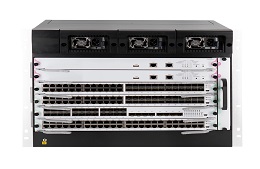
While the access switch handles local device connections and basic switching, the distribution layer provides routing and policy enforcement between VLANs, and the core layer moves data quickly across the network infrastructure.
Real-World Use Cases: How Access Switching Boosts Network Performance
Access switches are essential in a wide range of deployment scenarios:
Corporate Offices: Secure and manage hundreds of devices with VLANs and PoE
Educational Campuses: Enable seamless student and faculty connectivity across buildings
Retail & POS: Support IP surveillance, checkout systems, and wireless payment devices
Smart Cities & IoT: Manage edge devices in traffic control, public Wi-Fi, and monitoring systems
By integrating smart access switches at the edge, businesses can scale faster, reduce downtime, and improve overall network visibility and control.
Access switches by our network switch manufacturer may not always be visible, but their impact on network performance is profound. As enterprises grow and digitize, investing in reliable, feature-rich access switches ensures your infrastructure stays fast, flexible, and future-ready—from the edge in.
The 16th Jinan international public security&guard exhibition is held by Shandong Province Public Security Department, will convene at Jinan international exhinition center from Mar 24 to 26, 2017...
When choosing switches, we often encounter the dilemma of whether to choose a managed or an unmanaged switch. Typically, managed switches offer more powerful functions than unmanaged switches, providi...
Whether it is the deployment of a small network enterprise or the deployment of a large data center network, switches are an indispensable and important component. They connect the functional units of...